
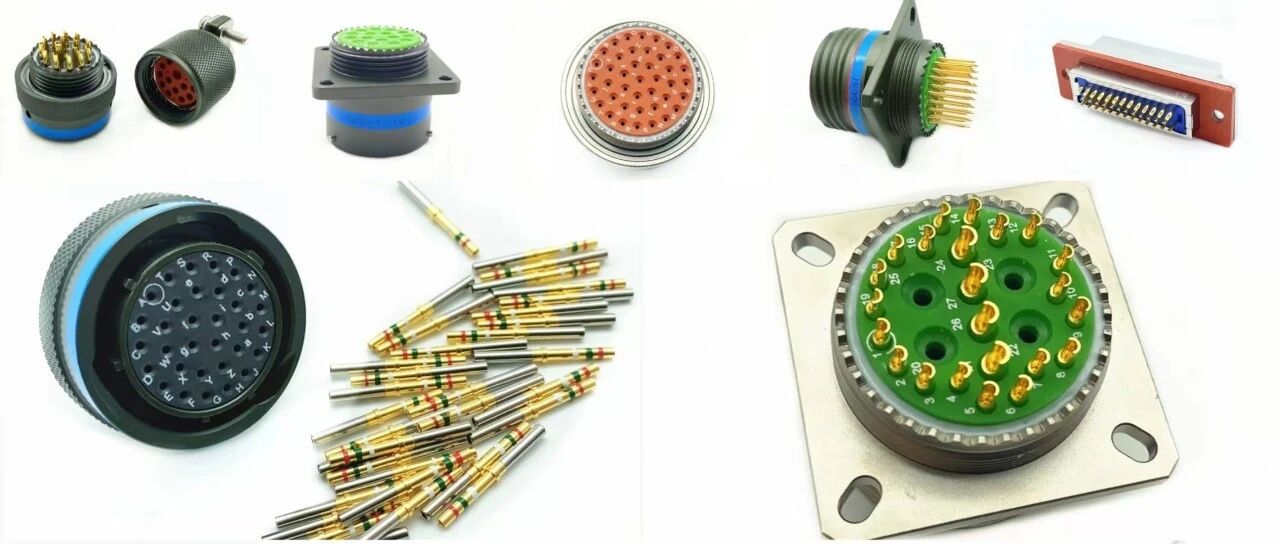
| Core keyword | military connectors |
| Target audience | Procurement engineers, project engineers, and sourcing managers for rugged electronics, defense-adjacent projects, UAVs, vehicles, and industrial systems. |
| Meta description | A practical buyer-side guide to choosing military connectors for harsh-environment programs, from application fit to qualification risk. |
| Excerpt | A procurement-friendly guide to choosing the right military connector family for rugged systems without overbuying or creating approval risk. |
Article purpose: Help target buyers reduce selection risk, understand connector-family fit, and make faster, more defensible purchasing decisions.
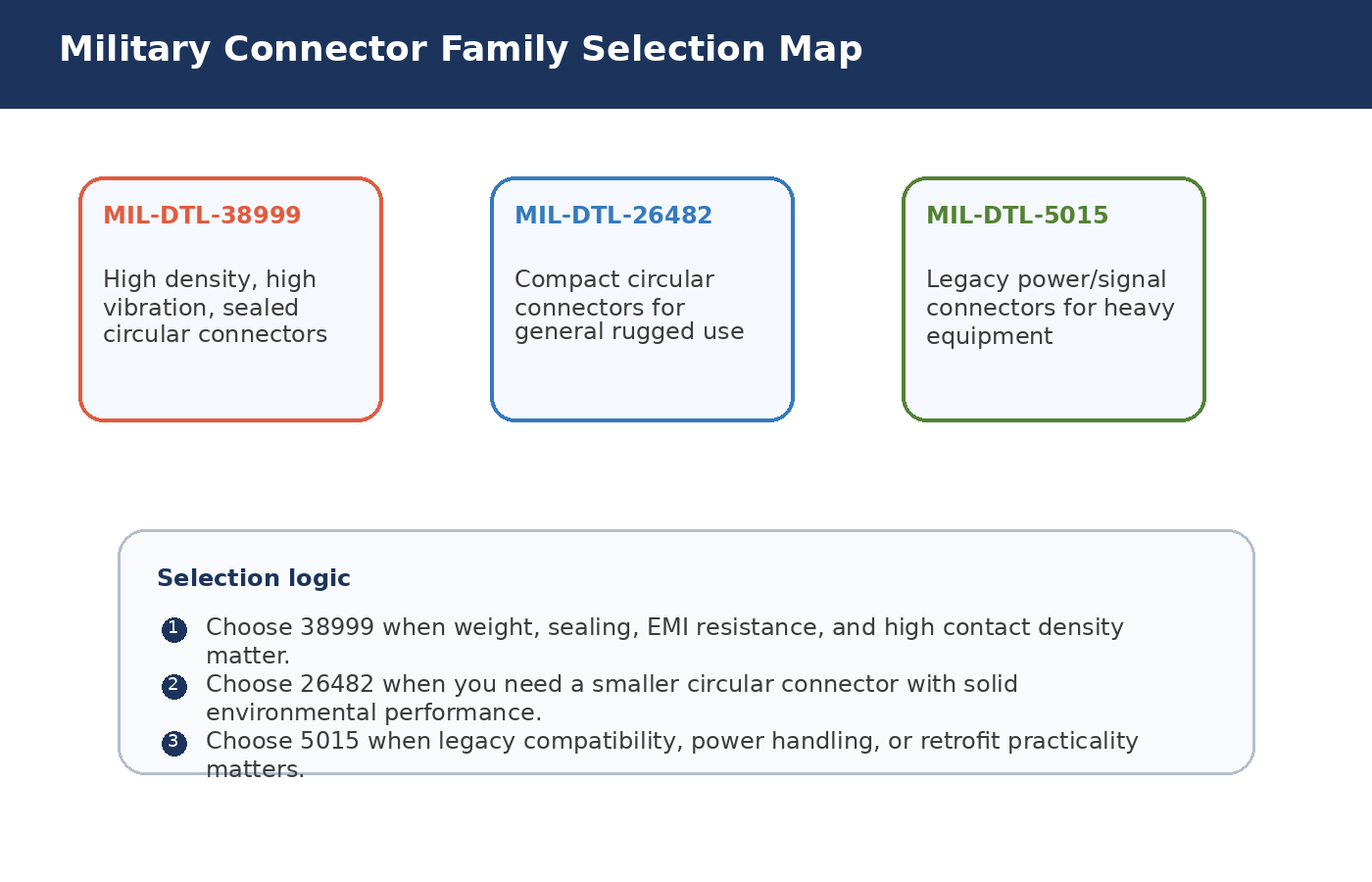
Figure 1. Decision support visual for military connectors.
Why this topic matters
Buying the wrong connector rarely fails at the quotation stage. It fails later – during vibration testing, sealing validation, field service, or schedule recovery. That is why buyers should not treat military connectors as generic circular parts.
The practical objective is simple: select a connector family that matches the real environment, the electrical load, and the documentation requirement – without creating unnecessary weight, lead time, or cost.
Start with the application, not the part number
Many teams begin with a copied competitor part number or a legacy drawing. That shortcut may save time in the short term, but it often locks the project into the wrong shell style, insert arrangement, or plating system.
A better method is to define the application boundary first: operating temperature, vibration level, exposure to dust or fluids, cable exit direction, available installation space, mating cycle expectation, and maintenance frequency.
Once those inputs are clear, connector family selection becomes much more disciplined.
How to think about the main military connector families
MIL-DTL-38999 is typically the first option when the project needs high density, strong environmental sealing, and reliable performance under vibration. It is often preferred for avionics, UAVs, and compact high-performance systems.
MIL-DTL-26482 is useful when the project still needs rugged circular performance but in a more compact and often simpler package. For many programs, it is a strong middle ground between performance and complexity.
MIL-DTL-5015 remains relevant when compatibility with legacy equipment, heavy-duty field use, or practical retrofit logic matters more than miniaturization. In some procurement situations, this family is the lowest-friction answer because it aligns with installed hardware.
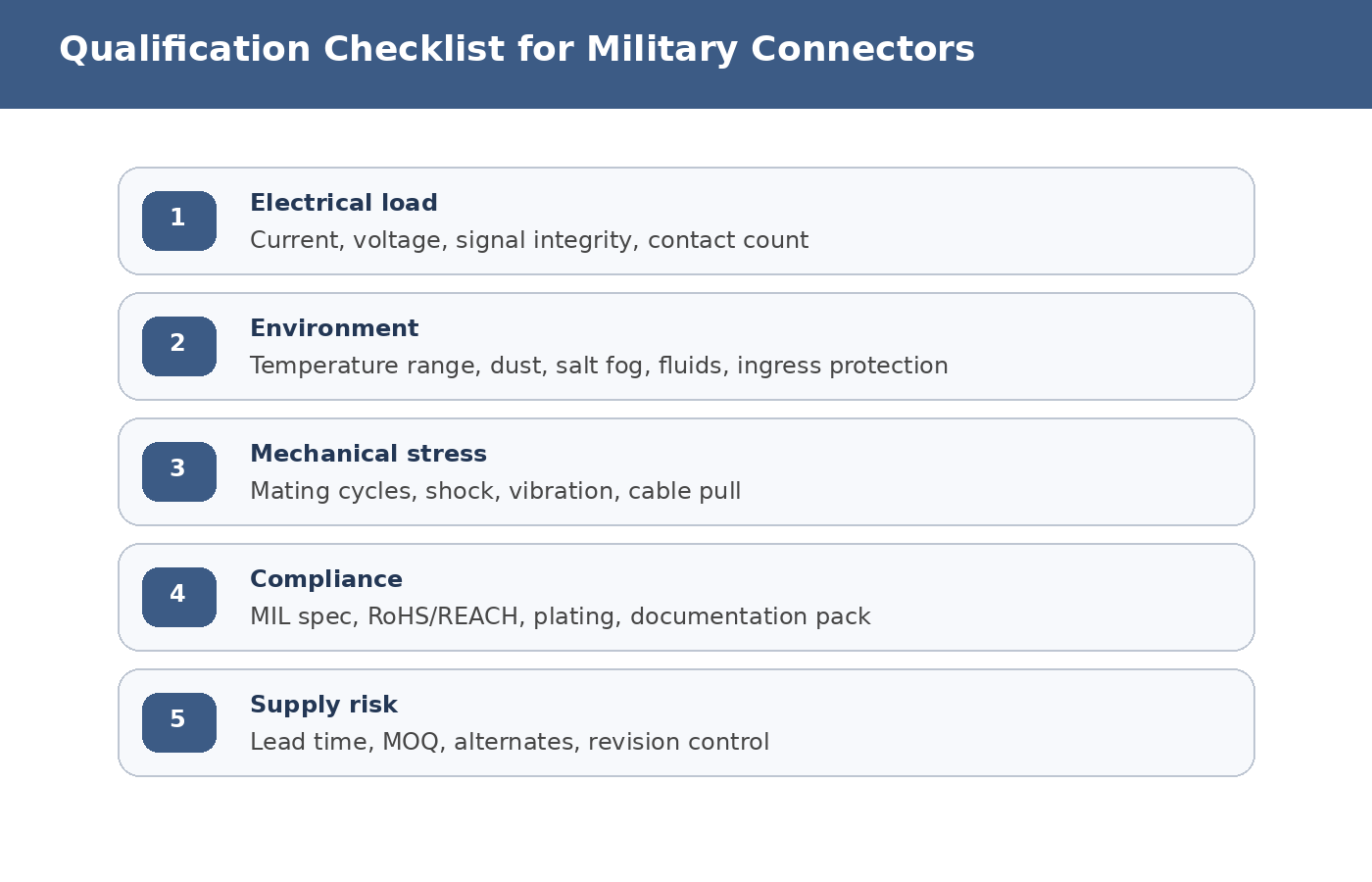
Figure 2. Practical framework buyers can use during review and qualification.
Five checks before you approve a sample
First, confirm electrical fit: contact count, current rating, voltage level, and any signal-integrity concerns.
Second, validate the environment: temperature range, moisture, dust, hydraulic fluids, and salt exposure where relevant.
Third, check mechanical fit: shell size, coupling style, keying, cable bend radius, and strain relief strategy.
Fourth, confirm compliance evidence: specification references, test data, material declarations, and revision status.
Fifth, assess supply continuity: standard lead time, minimum order quantity, alternate options, and part-number stability.
How buyers avoid over-specification
A common mistake is assuming that the harshest-looking connector is automatically the safest choice. In reality, over-specification can create unnecessary cost, sourcing friction, and slower approvals.
The right decision is not the most expensive connector. It is the connector that clears the operating risk with the least total lifecycle burden. If the system does not need extreme density or aerospace-grade packaging, a simpler family may be the better commercial decision.
Conclusion
If your team wants to reduce rework, choose military connectors from the outside in: application first, qualification second, part number third. That order protects schedule and budget.
For buyers, the winning question is not ‘Which connector is best?’ It is ‘Which connector is appropriate for this exact environment, approval path, and service requirement?’

 Chinese
  English