Military Connector vs Industrial Connector: What Is the Real Difference?
A buyer-side guide for engineers, sourcing teams, and project managers choosing connectors for harsh environments.
Quick answer
A military connector is not simply a tougher-looking industrial connector. The real difference is usually in qualification expectations, environmental tolerance, reliability margin, traceability discipline, and the cost of failure in the end application.
Why this distinction matters
Many buyers use “military connector” and “industrial connector” as if they mean the same thing. In practice, they often sit in different decision frameworks. If a system is exposed to higher vibration, severe fluid contamination, temperature cycling, demanding sealing requirements, or strict documentation expectations, the connector decision becomes more than a catalog comparison. It becomes a reliability decision.
For B2B buyers, the biggest mistake is not choosing the cheaper product. The biggest mistake is choosing a connector class that does not match the real operating environment and then paying for rework, field failure, delayed qualification, or customer distrust later.
Military connector vs industrial connector: comparison snapshot
What buyers should evaluate first
- Environment: heat, fluid exposure, dust, salt, vibration, pressure wash, and mating cycles.
- Qualification requirement: internal validation only, customer-driven validation, or strict formal qualification path.
- Electrical layout: shell size, contact count, current level, shielding, and sealing architecture.
- Supply reliability: lead time, consistency, engineering support, and replacement strategy.
- Cost of failure: field repair, downtime, warranty exposure, and customer confidence impact.
When an industrial connector is enough
Not every rugged application requires a military connector. In many industrial systems, a well-selected industrial connector is the better commercial answer because it balances protection, availability, cost, and maintainability. If the duty cycle is moderate, qualification expectations are application-specific, and the failure consequence is manageable, an industrial connector may deliver a better business result.
This matters because over-specification can quietly hurt competitiveness. If your customer does not need a military-grade solution, pushing one can raise cost, extend lead time, and slow the project without improving the actual outcome.
When a military connector becomes the smarter choice
A military connector becomes easier to justify when the operating profile is aggressive, the reliability target is high, the qualification process is demanding, or the end system carries a high penalty for failure. In those cases, the connector is not just a hardware line item. It becomes part of the risk-control strategy.
For suppliers, this means the sales message should not be cosmetic. Buyers want evidence of fit: sealing logic, shell options, coupling style, material suitability, harness integration, and confidence that the supply chain can support repeat orders and technical questions.
FAQ:
Is every rugged connector a military connector?
No. Many rugged connectors are industrial products optimized for harsh service without being positioned as military connectors.
Are military connectors always better?
Not automatically. They may be more appropriate for severe environments or higher qualification demands, but the right answer depends on mission profile, lifecycle cost, and buyer requirement.
What is the biggest sourcing mistake?
The biggest mistake is treating connector selection as a naming exercise instead of a reliability and supply-risk decision.
Need support for harsh-environment interconnect decisions?
If your project also involves harness protection, breakout sealing, or DR25-based wiring systems, it is better to evaluate the connector together with the rest of the protection architecture. Connector choice, backshell design, and heat shrink strategy should work as one system—not as isolated parts.
A perfect match for military connectors:
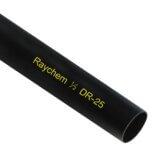
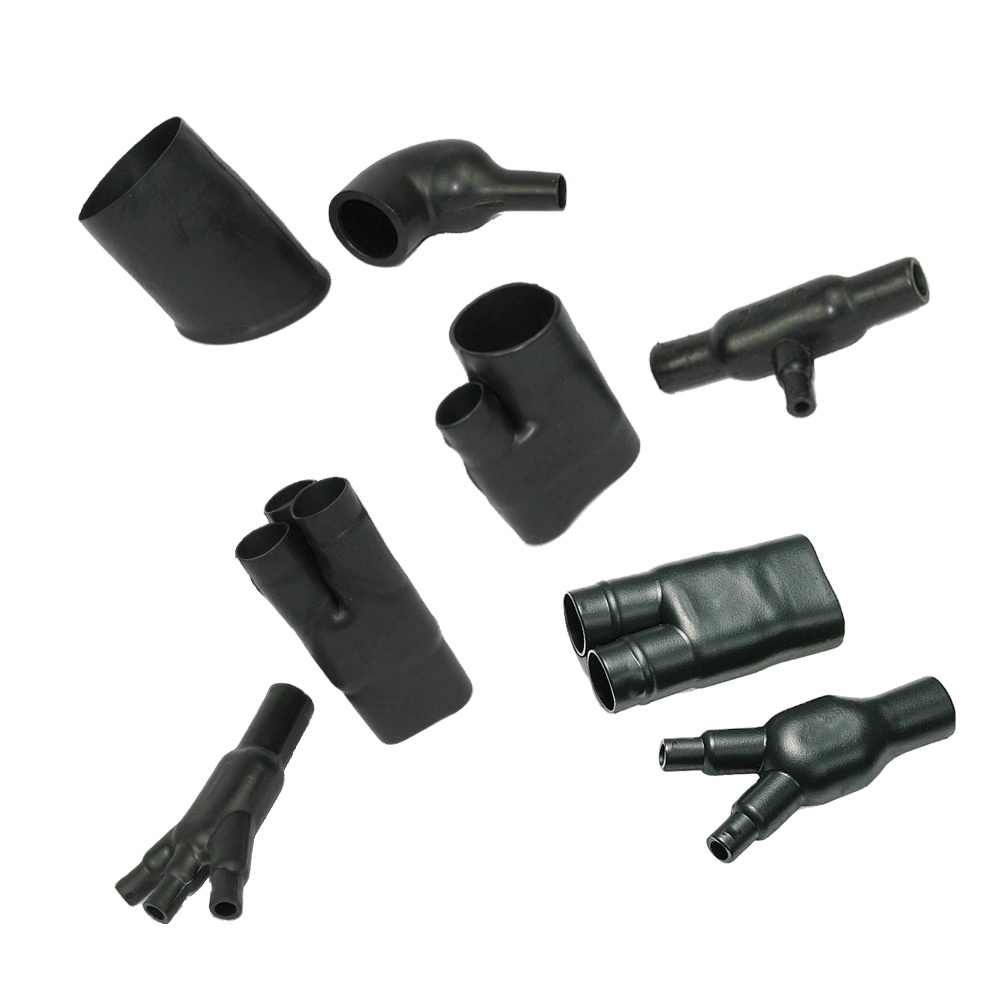
DR-25 Heat shrink tubing DR-25 heat shrink boots