
Heat shrink tubing has evolved far beyond basic insulation. In modern industries such as aerospace, motorsport, and industrial automation, wiring systems are exposed to extreme temperatures, aggressive chemicals, and constant mechanical stress.
To meet these demands, new generations of heat shrink tubing have been developed using advanced materials and improved manufacturing technologies. These innovations are redefining how engineers protect wiring systems in harsh environments.
This article explores the latest advancements in heat shrink tubing, focusing on material innovation, high-temperature performance, and real-world industrial applications.
Why Innovation in Heat Shrink Tubing Matters
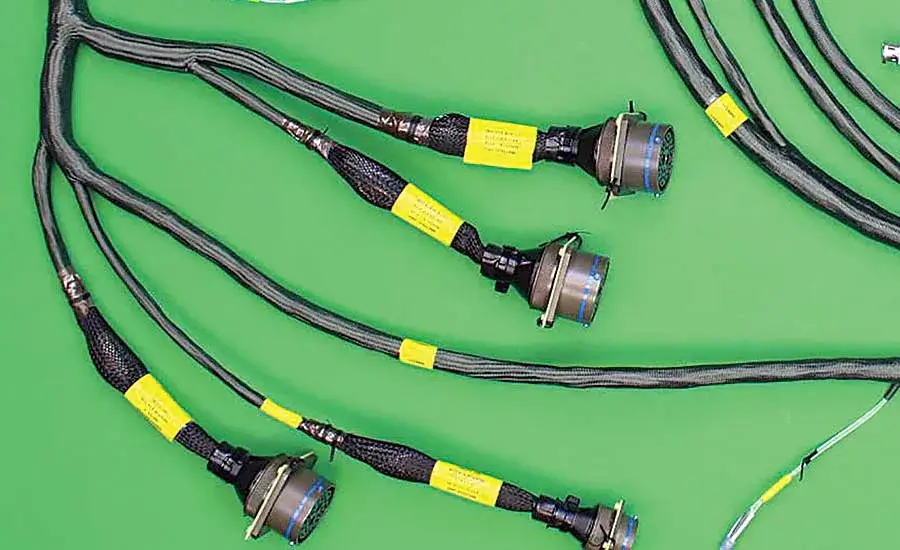
Traditional heat shrink tubing made from PVC or polyolefin is no longer sufficient for high-performance environments.
Modern applications require:
- Continuous operation at high temperatures (125°C–260°C)
- Resistance to fuels, oils, and harsh chemicals
- Mechanical durability under vibration and abrasion
- Long-term reliability in critical systems
Industries such as aerospace and motorsport cannot tolerate failure. As a result, heat shrink tubing must meet strict performance standards and deliver consistent protection over time.
New Materials Driving Heat Shrink Technology
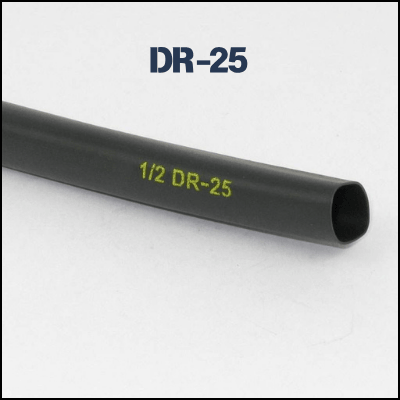
DR-25 heat shrink tubing is widely used in aerospace and motorsport wiring systems. It offers operating temperatures above 150°C, excellent resistance to fuels and hydraulic fluids, and strong mechanical durability.
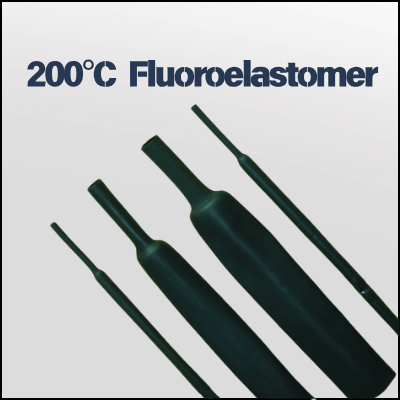
FEP heat shrink tubing is designed for higher temperature environments, supporting continuous use up to 200°C. It provides excellent chemical resistance and a low-friction surface, making it suitable for advanced industrial and electronic applications.
PTFE heat shrink tubing represents the highest level of performance. It can operate at temperatures up to 260°C and offers outstanding chemical resistance and long-term stability in extreme conditions. It is commonly used in aerospace and defense systems.
High-Temperature Performance Improvements
One of the most significant innovations in heat shrink tubing is the ability to withstand higher temperatures without degradation.
Traditional PVC tubing typically supports around 105°C, while polyolefin reaches about 125°C. Advanced materials such as DR-25 can handle 150°C or more. FEP extends this to around 200°C, and PTFE can operate continuously at 260°C.
Higher temperature capability results in longer service life, improved system reliability, and reduced maintenance costs.
Key Applications in Modern Industries
In aerospace systems, wiring harnesses are exposed to extreme temperature changes, vibration, and chemical environments. High-performance heat shrink tubing ensures long-term reliability and protection.
In motorsport applications, wiring systems must withstand high heat, fuel exposure, and mechanical stress. Lightweight yet durable heat shrink materials are essential.
In industrial automation, complex wiring systems operate continuously. Heat shrink tubing helps organize, insulate, and protect cables in demanding environments.
Traditional vs Advanced Heat Shrink Tubing
Traditional heat shrink tubing offers basic insulation but limited temperature resistance and durability.
Advanced heat shrink tubing provides significantly higher temperature resistance, better chemical protection, longer lifespan, and suitability for aerospace, industrial, and high-performance applications.
How to Choose the Right Heat Shrink Tubing
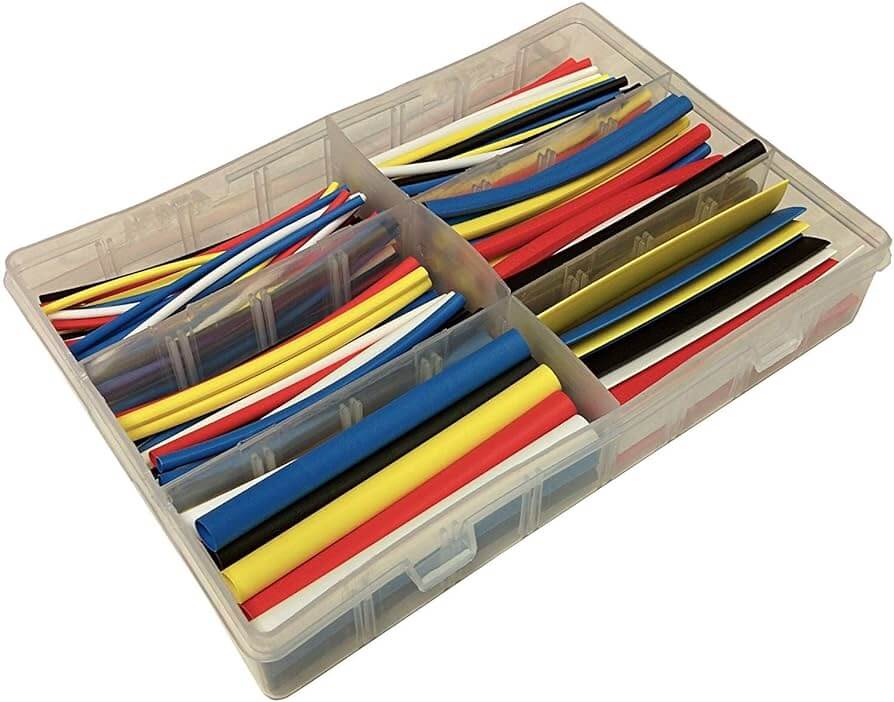 When selecting heat shrink tubing, consider the operating temperature, exposure to chemicals, mechanical stress, and the specific application environment.
For high-performance applications, materials such as DR-25, FEP, and PTFE are recommended due to their durability and resistance properties.
FAQ
What is high temperature heat shrink tubing?
High temperature heat shrink tubing is designed to operate in environments above 125°C, using advanced materials such as DR-25, FEP, or PTFE.
What is DR-25 heat shrink tubing used for?
DR-25 is commonly used in aerospace and motorsport wiring systems because of its flexibility, durability, and resistance to fuels and chemicals.
What is the maximum temperature heat shrink tubing can handle?
PTFE heat shrink tubing can operate continuously at temperatures up to 260°C.
Is heat shrink tubing chemical resistant?
Advanced materials like FEP and PTFE offer strong resistance to fuels, oils, and chemicals.
How to choose the right heat shrink tubing?
Selection depends on temperature, environment, chemical exposure, and mechanical requirements.
Conclusion
Heat shrink tubing technology continues to evolve to meet the demands of modern industries. With advanced materials and improved performance capabilities, it has become a critical component in ensuring system reliability and safety.
Choosing the right heat shrink tubing is no longer just about insulation. It is a key factor in achieving long-term performance in demanding environments.
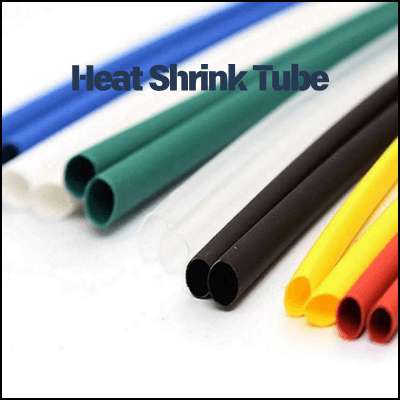 125° Heat Shrink Boots
Polyolefin (Standard)The most widely used heat shrink tube material worldwide.
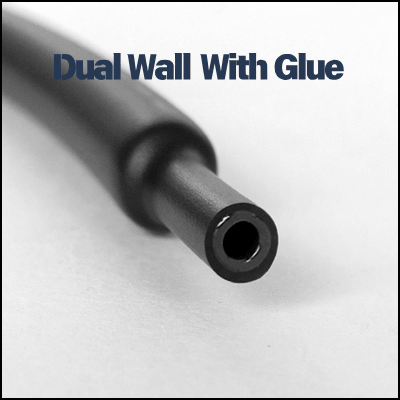 Daul Wall Heat Shrink Tube
Environmental sealing version of polyolefin or PVDF tubing.
 Daul Wall Heat Shrink Tube
High performance Diesel Resistant elastomer tube, suitable for resistance to
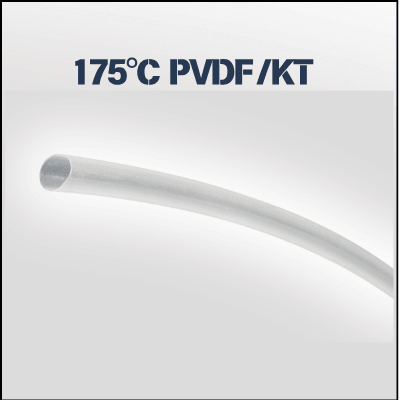 175° KT-PVDF Tube
The preferred choice for aerospace, military, and high-temperature industrial applications.
 Fluoropolymer (FEP / PFA)
Transparency + chemical resistance combination.
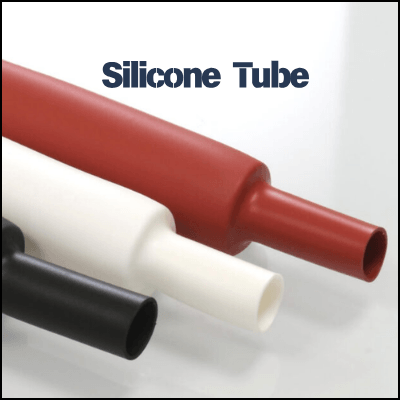 Silicone Heat Shrink Tube
Highest flexibility and vibration resistance.
